
The Comprehensive Guide to Shipping a Car to Another State During a Move
Estimated reading time: 6 minutes
Key Takeaways
- Professional Shipping: Saves thousands of miles of wear and tear and significant travel time.
- Transport Methods: Choose Open Car Transport for standard vehicles or Enclosed for luxury cars.
- Logistics: “Door-to-door” often requires meeting at a nearby large parking lot due to truck size.
- Timing: Book 2-4 weeks in advance; cross-country delivery takes 7-14 days.
- Preparation: Cars must be cleaned, personal items removed, and documented for damages before loading.
Table of contents
- The Comprehensive Guide to Shipping a Car to Another State During a Move
- Key Takeaways
- Understanding State to State Car Shipping
- Choosing the Right Transport Method
- Delivery Logistics: How Door to Door Works
- Integrating Car Shipping Services into Your Timeline
- Preparation, Costs, and Regulations
- Conclusion
- Frequently Asked Questions
Moving to a new home far away is one of the biggest tasks a person can take on. You have to pack up every room in your house, deal with real estate agents, and make sure your electricity and water are set up at the new place. The list of things to do seems endless, and the stress can feel very heavy. Amidst all this chaos, figuring out how to get your vehicle to your new home is a major puzzle piece.
This is where shipping a car to another state becomes a very smart choice. Instead of adding a long, tiring road trip to your already busy schedule, you can have a professional team move your car for you. This guide will walk you through everything you need to know to make that happen smoothly.
When you choose to ship your vehicle, you are making a decision that simplifies your long-distance move significantly. It protects your car from unnecessary wear and tear. You also save thousands of miles from being added to your odometer.
By handing over the keys to a professional, you free up your own time. You can focus on other critical logistics, such as managing the moving truck with your household goods or getting your family to the airport. It saves you from spending days behind the wheel.
In this post, we will cover the different transport options available to you. We will also look at the methods used to move cars, the timelines you should expect, and tips on how to prepare your vehicle based on industry standards.
Understanding State to State Car Shipping
When people talk about state to state car shipping, they are talking about a specific process. This is the act of hiring licensed carriers or brokers to load your vehicle onto a large truck or hauler to move it across state lines. It is a service designed to take the burden of driving off your shoulders.
Why Choose Interstate Car Transport Over Driving?
You might be thinking about driving the car yourself. It might seem like the cheaper option at first glance. However, driving yourself is very different from professional interstate car transport. When you drive, you have to deal with driver fatigue. Sitting in a car for eight to ten hours a day is exhausting. It also adds risk. The longer you are on the road, the higher the chance of a flat tire, a breakdown, or an accident.
Local towing companies are also not the right answer. A standard tow truck is meant for short trips to a repair shop, not for a journey of hundreds or thousands of miles.
The Major Benefits of Professional Transport
There are three big reasons to choose professional shipping:
- Safety: Your vehicle is handled by professionals who do this every day. They know how to secure the car so it does not move.
- Mileage Preservation: If you move 2,000 miles away, driving adds 2,000 miles of wear to your engine and tires. Shipping adds zero miles.
- Time Management: Moving is chaotic. Shipping your car gives you back days of your life that you would otherwise spend driving. You can use that time to unpack or settle into your new job.
Choosing the Right Transport Method: Open Car Transport vs. Enclosed
When you contact a shipping company, you will usually be given two main choices. These choices depend on your budget and how much protection your car needs.
Option A: Open Car Transport
Open car transport is the industry standard. If you have ever driven on a highway and seen a large truck carrying a double-decker stack of cars, that is open transport. The vehicles are loaded onto an open trailer.
- Exposure: Because the trailer is open, your car is exposed to the outside world. It will feel the wind, rain, and sun. It might also encounter some road debris or dust, just like it would if you were driving it yourself.
- Popularity: Despite the exposure, this is the most common method. It accounts for approximately 90% of all vehicle shipments.
- Best For: This method is perfect for your “daily driver.” If you are shipping a standard sedan, an SUV, or a pickup truck that you drive every day, this is the best choice.
- Cost: This is the cost-effective baseline. It is the most affordable way to ship a car. Prices usually average between $700 and $1,600, though this depends on how far the car is going.
Option B: Enclosed Auto Transport
Enclosed auto transport is a premium service. In this method, your vehicle is secured inside a hard-sided trailer. It looks more like a standard semi-truck box trailer.
- Protection: This offers the maximum level of protection. The trailer has a roof and four walls. Your car is safe from rain, snow, hail, and rocks kicking up from the road.
- Best For: You should choose this option if you have a luxury vehicle, a classic car, a vintage sports car, or a vehicle that has high sentimental value. If the paint job is irreplaceable, go enclosed.
- Cost: Because fewer cars fit in these trailers and the equipment is specialized, this service comes with premium pricing. It will cost significantly more than open transport.
Making the Decision
How do you choose? It comes down to vehicle value versus your budget. If you want to save money and have a standard car, choose open transport. If safety is your only concern and money is no object, choose enclosed.
Delivery Logistics: How Door to Door Car Transport Works
Once you have picked a method, you need to understand how the truck gets to you. The most popular service is called door to door car transport. However, this term can be slightly confusing.
The Reality of “Door to Door”
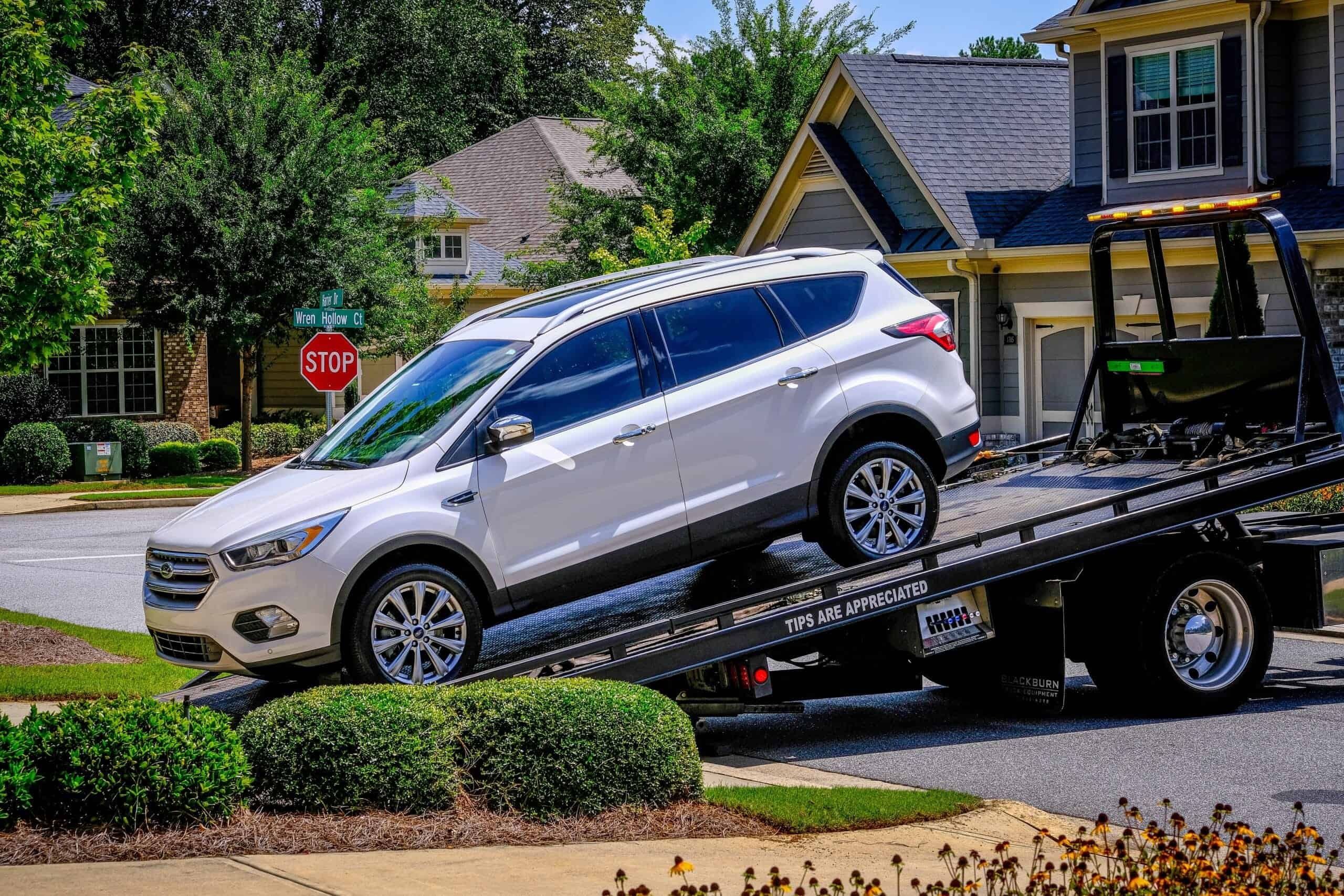
While the service is called “door to door,” it is not always literally from your driveway to your new driveway. The trucks used for auto transport are massive. They are long and wide, and they have a very large turning radius.
- Access Issues: Many residential streets are too narrow for these trucks. Low-hanging tree branches or power lines can also be a problem. Some cities and Homeowner Associations even have laws banning heavy commercial trucks.
- The Solution: The driver will get as close as safely possible to your address. If they cannot get to your front door, they will ask you to meet them at a nearby location. This is usually a large parking lot, like a grocery store lot, or a wide main street.
Alternative: Terminal-to-Terminal
There is another way to ship called “terminal-to-terminal.” In this scenario, you drive your car to a storage facility (a terminal) and drop it off. The truck picks it up there and takes it to another terminal near your new home.
- Pros and Cons: This solves the problem of narrow streets. However, it adds work for you. You have to find a ride home from the terminal and a ride to the terminal at the new location. It often takes longer than door-to-door service.
Integrating Car Shipping Services for Moving into Your Timeline
Timing is everything when you are moving. You do not want to arrive at your new house and have to wait three weeks for your car. You also do not want the car to arrive before you do.
The Booking Window
You should not leave booking your car shipping services for moving until the last minute. The best practice is to book your spot 2 to 4 weeks in advance. If you are moving during the peak summer season, when many people relocate, you should try to book even earlier.
What to Expect for Transit Times
Shipping a car is not like shipping a package overnight. It takes time.
- Total Time: For a cross-country move, the entire process usually takes between 7 and 14 days.
- Breakdown:
- Assignment: It takes 1 to 3 days for the company to assign a specific truck to your route.
- Pickup: Once assigned, the truck will arrive for pickup within 2 to 5 days.
- Transit: The actual driving and delivery take between 5 and 12 days, depending on the distance.
Coordination Tips
When you speak to the shipping company, try to prioritize a realistic delivery window rather than pure speed. It is better to know exactly when the car will arrive so you can align it with your flight plans or the arrival of your moving van.
Preparation, Costs, and Regulations for Shipping a Car Across State Lines
Getting your car ready is just as important as booking the truck. If you are shipping a car across state lines, you need to follow a specific checklist to avoid extra fees or delays.
Step 1: Cleaning and Personal Items
The first thing you must do is clean your car. Wash the exterior and clean the interior.
- Why Clean? A dirty car hides scratches and dents. The driver will inspect your car before loading it. If it is covered in mud, they cannot record the condition accurately.
- Remove Stuff: You must remove all personal items from the vehicle. Do not pack boxes inside the trunk. These items are generally not insured during transport. If they break or are stolen, the carrier is not responsible. Also, extra weight can cause the truck to be fined at weigh stations.
Step 2: Mechanical Prep
Your car needs to be in good working order to be loaded onto the truck.
- Tires and Battery: Make sure your tires are properly inflated. A car with flat tires is very hard to load. Also, ensure your battery is fully charged so the car starts easily.
- Documentation: At pickup, the driver will create a Bill of Lading. This is a document that marks any existing scratches or dents. You should take your own photos of the car at this time to have proof of its condition.
Step 3: Vetting Providers
You need to trust the company you hire. Do not just pick the first name you see.
- Check Licenses: Verify that the provider has a valid USDOT number. This shows they are registered with the Department of Transportation.
- Insurance: Ask for proof of insurance coverage. You need to know that your car is covered if an accident happens.
- Carrier vs. Broker: Understand if you are hiring a carrier (who owns the trucks) or a broker (who finds the trucks for you). Both are good, but you should know who you are dealing with.
- Get Quotes: It is smart to get quotes from 2 or 3 different providers to compare prices.
Cost Estimates
So, how much will this cost?
- General Range: Most moves fall into a price range of $900 to $1,600.
- Per Mile: A good rule of thumb is that it costs roughly $1 per mile for trips around 1,000 miles. However, this is just an estimate.
- Variables: The final price fluctuates based on the cost of diesel fuel, the size of your car, and the demand for trucks at that time of year.
Conclusion
Relocating to a new state is an exciting chapter in your life, but the process of getting there requires careful planning. Shipping a car to another state via professional transport ensures a safer, more efficient relocation than trying to drive yourself. It protects your vehicle and saves you from the exhaustion of a cross-country road trip.
By handing off this complex task to the experts, you allow yourself to focus on the joy of your new home. You can spend your energy on setting up your new life rather than staring at highway markers for days on end.
If you are planning a move soon, now is the time to act. Reach out to a licensed provider to get a quote or consultation. Planning ahead is the key to securing your preferred dates and ensuring a smooth transition.
Frequently Asked Questions
1. How much does it cost to ship a car to another state?
On average, shipping a car interstate costs between $900 and $1,600. The price depends on the distance, vehicle size, and whether you choose open or enclosed transport.
2. Can I pack personal belongings in my car when shipping it?
No, it is generally recommended to remove all personal items. Most carriers are not licensed to transport household goods, and personal items are not covered by the carrier’s insurance policy if damaged or stolen.
3. How far in advance should I book my car shipment?
It is best to book your car shipment 2 to 4 weeks in advance. During peak moving seasons like summer, booking even earlier can help secure your preferred dates and better rates.
4. What is the difference between open and enclosed transport?
Open transport is the standard, affordable method where your car is on an open trailer exposed to the elements. Enclosed transport uses a fully covered trailer, offering maximum protection for luxury or classic vehicles at a higher cost.
5. Does “door-to-door” transport mean the truck comes to my driveway?
Not always. Large transport trucks often cannot navigate narrow residential streets. “Door-to-door” usually means the driver will get as close as safely possible, which may require meeting at a nearby large parking lot.