
A Complete Guide to Car Shipping Insurance Coverage: Protection and Peace of Mind
Estimated reading time: 7 minutes
Key Takeaways
- Car shipping insurance coverage is essential and provided by the carrier, not your personal auto policy.
- Carriers must carry Public Liability and Motor Truck Cargo insurance.
- Your choice between Open and Enclosed transport affects the level of protection against weather and road debris.
- The Bill of Lading (BOL) is the critical document for proving any damage claims; inspections are mandatory.
- Personal items left inside the vehicle are not covered by transport insurance.
- Always verify a carrier’s MC number and request a Certificate of Insurance (COI) before booking.
Table of contents
- A Complete Guide to Car Shipping Insurance Coverage
- Key Takeaways
- Section 1: The Basics: Is Extra Insurance Required?
- Section 2: Coverage Differences by Transport Type
- Section 3: The Logistics of Coverage (Door-to-Door)
- Section 4: Liability, Risks, and Exclusions
- Section 5: How to Ensure You Are Booking a Safe Service
- Frequently Asked Questions
Handing over the keys to your car can be a scary moment. You are trusting a stranger to take care of one of your most valuable assets. The first thought on your mind is likely about safety. You probably wonder, “What happens if my car gets scratched or dented?” This is where car shipping insurance coverage becomes the most important part of your planning.
Car shipping insurance coverage is the protection provided by an auto transport carrier. It pays for damages if your vehicle is harmed while it is being moved from one place to another.
While accidents are very rare, you need to be prepared. Knowing how your car is protected helps you relax. It turns a stressful situation into a simple process.
Legitimate carriers are required by law to have insurance. However, the amount of coverage they have can change from one company to another. This guide will explain everything you need to know. We will look at what is covered, what is not covered, and how to make sure you are safe. Understanding the specifics of coverage ensures protection throughout the journey.
Section 1: The Basics: Is Extra Insurance Required?
One of the most common questions people ask is: is car shipping insurance necessary?
The short answer is yes, insurance is necessary, but you likely do not need to buy a separate policy yourself.
Many people think their personal car insurance will cover the transport. This is usually not true. Most personal auto policies do not cover your car while it is being shipped by a third party. They view this as a business transaction. Because the car is in the care of a shipping company, your personal policy stops covering it. Therefore, relying on the carrier’s coverage is the standard way to protect your vehicle.
Vehicle Transport Insurance Requirements
The government has strict rules for shipping companies. The Federal Motor Carrier Safety Administration (FMCSA) sets these rules. They create the vehicle transport insurance requirements that every legal company must follow.
There are two main types of insurance you need to know about:
- Public Liability Insurance:
The law requires carriers to have this. The minimum amount is often $750,000 to $1,000,000.
However, this does not cover your car. This insurance pays for damage the truck causes to other people or public property. For example, if the truck hits a guardrail or another car on the highway, this insurance pays for that damage (Reference also: Auto Insurance FAQs). - Motor Truck Cargo Insurance:
This is the policy that actually covers your vehicle. Reputable carriers will always have this. It protects the cargo (your car) while it is on the truck.
The standard limit for this insurance is usually around $100,000 per shipment. This covers major issues like collision, fire, and theft.
Summary of the Basics
You do not need to buy a new policy from your own agent. The shipping company provides the coverage. However, you must check that they have “Cargo Insurance” specifically. Without it, your car is not protected.
Section 2: Coverage Differences by Transport Type
The type of truck you choose changes how your car is protected. There are two main ways to ship a car: Open Transport and Enclosed Transport. Each method has different risks and different insurance standards.
Open Transport Insurance Coverage
Most people choose open transport. This is when your car is on a trailer with other cars, and you can see it from the outside. It is the most common and affordable option.
When discussing open transport insurance coverage, you must understand the environment.
- Exposure: Your car is exposed to the air. It faces the wind, rain, and sun.
- Coverage Scope: The insurance covers structural damage. If the driver gets into an accident, your car is covered. If the hydraulics on the trailer fail and drop your car, it is covered.
- The Crucial Nuance: Because the car is open to the air, some policies have exclusions. They might not cover “road debris.” If a small rock flies up and chips your paint, the insurance might call this a normal road hazard. They may not pay for it.
- Acts of God: Open transport policies often exclude weather damage. If a hail storm hits the truck, the carrier might not be held liable because they cannot control the weather.
Enclosed Car Shipping Protection
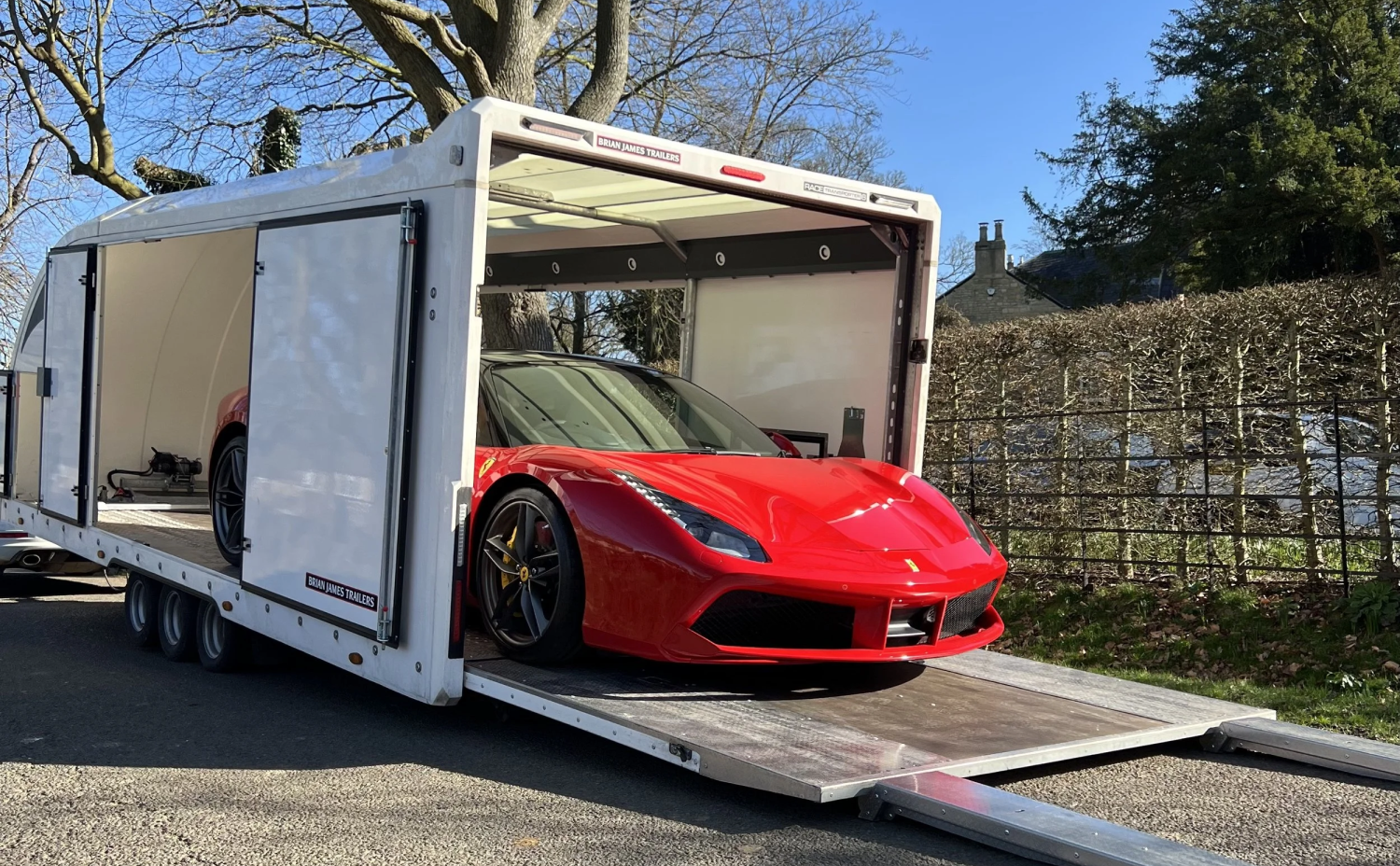
Enclosed transport is a premium service. Your car is inside a hard-sided or soft-sided trailer. It is like a mobile garage. This option comes with enclosed car shipping protection.
- Full Shielding: The vehicle is fully shielded from weather and road debris. Rocks cannot hit the car. Rain and hail cannot touch it.
- Higher Limits: Companies that offer enclosed shipping know they are moving expensive cars. These are often classic cars, luxury sedans, or sports cars.
- Value Protection: Because the cars are worth more, the insurance limits are higher. While an open carrier might cover $100,000, an enclosed carrier often carries liability limits of $500,000 or more.
Making the Right Choice
You should look at the value of your vehicle. If your car is worth more than $100,000, open transport is a financial risk. The standard insurance limit may not be enough to replace your car if it is totaled. In this case, enclosed car shipping protection is the safer choice. It costs more upfront, but it provides better financial safety.
Section 3: The Logistics of Coverage (Door-to-Door)
When you ship a car, you often hear the phrase “Door-to-Door”. This usually refers to the convenience of the service. However, in insurance terms, door to door auto transport insurance refers to the timeline of your protection.
The Scope of Coverage
It is vital to know when the insurance starts and when it stops.
- Activation: The coverage begins the moment the truck driver touches your car to load it. This includes driving it onto the ramps.
- Duration: The coverage stays active the entire time the truck is moving. It applies while the driver sleeps and while the truck is parked at a rest stop.
- Termination: The coverage ends the moment the car is unloaded and delivered to you. Once you take the keys back, the carrier’s insurance is no longer active.
The Bill of Lading (BOL)
This is the most critical document in the entire shipping process. You cannot have a valid insurance claim without it.
What is the Bill of Lading?
The Bill of Lading, or BOL, is a legal contract. It acts as a receipt for your car. But more importantly, it is an inspection report.
The Inspection Process
- Pickup Inspection: When the driver arrives, you and the driver will walk around the car. You will look for any scratches, dents, or chips that are already there.
- Marking Damages: The driver will mark these spots on a diagram on the BOL. You must agree with what is marked.
- Signing: You both sign the document. This proves the condition of the car before it was moved.
Delivery Inspection
When the car arrives at your house, you must do the inspection again. You compare the car to the diagram on the BOL.
Why It Matters
If you find a new scratch, you must mark it on the BOL before the driver leaves.
- The Golden Rule: If damage is not noted on the BOL at the time of delivery, the insurance coverage may be void.
- Proof: Without the note on the BOL, the insurance company will say the damage happened after they dropped off the car. You will have no proof that it happened during transit.
Always take your time. Do not let the driver rush you. Inspect the roof and the bumpers carefully.
Section 4: Liability, Risks, and Exclusions
Insurance policies are legal contracts. This means they have specific rules about what counts as a valid claim. Understanding car shipping damage liability helps you avoid surprises.
Defining Liability
Liability means “responsibility.” A carrier is liable for damage caused by their negligence. Negligence means they made a mistake or failed to do their job correctly.
Examples of carrier negligence include:
- Driver Error: The driver hits a curb or another vehicle.
- Equipment Failure: A strap breaks and the car moves.
- Loading Errors: The driver scrapes the underside of your car on the ramp.
- Overtightening: The driver straps the wheels down too tight and damages the alignment.
In these cases, the carrier’s insurance must pay to fix your car.
Key Exclusion: Personal Items
There is one rule that almost every carrier follows strictly: Auto transport insurance never covers personal items.
Many people want to pack their car with boxes, suitcases, or electronics. They view the car as a shipping container. This is a bad idea for several reasons:
- Theft: If someone breaks into the car and steals your laptop, the carrier is not responsible. They are paid to move a car, not household goods.
- Internal Damage: During the trip, the truck will bounce and shake. Loose items in the car will move around. If a heavy suitcase smashes into your dashboard or cracks a window from the inside, the carrier is not liable. They will say the damage was caused by your personal items, not their driving. (See also: Auto Insurance Guidelines).
Force Majeure (Acts of God)
“Force Majeure” is a legal term. It refers to events that no one can control. These are often called “Acts of God.”
Examples include:
- Floods
- Tornadoes
- Hurricanes
- Earthquakes
- Hail storms
While carriers are liable for negligence, severe weather events may fall under policy exclusions. If a tornado destroys the truck, the carrier’s insurance might claim it was an Act of God. This is more common with open transport. Enclosed transport usually offers better protection against weather claims because the carrier promised to shield the car.
Section 5: How to Ensure You Are Booking a Safe Service
Finding safe car shipping services requires a little bit of homework. You cannot just pick the cheapest price you see. You need to verify that the company is real and that their insurance is active.
Here are the actionable steps you should take to protect yourself.
1. Check Compliance
Every legal auto transporter in the United States must be registered with the government. They will have two specific numbers:
- MC Number: Motor Carrier Number.
- USDOT Number: U.S. Department of Transportation Number.
You can go to the FMCSA website and type in these numbers. It will tell you if the company is authorized to operate. If they do not have these numbers, or if the numbers are “inactive,” do not use them.
2. Request the COI
COI stands for Certificate of Insurance. This is a document that proves the carrier has an active policy.
Do not just take their word for it. Ask for a copy of the COI before you book. A legitimate company will send this to you immediately.
When you look at the COI, check for these things:
- Cargo Limit: Is it at least $100,000?
- Deductible: How much does the driver have to pay before insurance kicks in? A high deductible can be a red flag.
- Expiration Date: Ensure the policy is valid during the dates you want to ship your car.
3. Ask Questions
Before you sign a contract, ask direct questions about their coverage.
- “What is your cargo insurance limit?”
- “Does your policy cover hail damage?”
- “Do you have a deductible that I would be responsible for?”
- “What happens if my car is a total loss?”
Getting these answers in writing (via email) is the best way to ensure you are finding safe car shipping services.
Conclusion
Shipping a car is a big decision, but it doesn’t have to be a gamble. Legitimate carriers provide car shipping insurance coverage to keep your vehicle safe.
The most important takeaway is that you are part of the process. It is your responsibility to verify the limits. It is your responsibility to inspect the car. It is your responsibility to sign the Bill of Lading correctly.
By taking a few minutes to check the Certificate of Insurance and performing a thorough inspection, you remove the risk. You can ship your car with confidence, knowing you are protected against the unexpected.
Frequently Asked Questions
1. Is car shipping insurance necessary?
Yes, it is necessary to protect your vehicle from damage during transit. While carriers are legally required to have insurance, verifying their coverage ensures you are financially protected against accidents, theft, or negligence.
2. Does my personal auto insurance cover car shipping?
In most cases, no. Your personal auto policy typically considers shipping a business transaction and will not cover the vehicle while it is in the custody of a third-party carrier. You should rely on the carrier’s Cargo Insurance.
3. Can I pack personal items in my car when shipping it?
It is strongly advised not to. Carrier insurance policies almost exclusively exclude personal items. If your items are stolen or if they cause damage to the interior of the car during transport, the carrier will not be liable.
4. What is the difference between open and enclosed transport insurance?
Open transport exposes your car to weather and road debris, and insurance may exclude “Acts of God” or minor rock chips. Enclosed transport protects the vehicle fully from the elements and usually carries much higher liability limits, making it better for high-value cars.
5. What should I do if my car arrives damaged?
You must note the damage on the Bill of Lading (BOL) immediately during the delivery inspection. If you sign the BOL without noting the damage, you likely lose your right to file an insurance claim. Take photos and contact the shipping company right away.