
Door to Door Car Shipping vs. Terminal: Which is Best for You?
Estimated reading time: 6 minutes
Key Takeaways
- Door-to-door service minimizes handling, reducing the risk of damage significantly compared to terminals.
- While terminal shipping appears cheaper, hidden costs like storage fees and taxi rides often bridge the price gap.
- Convenience is the primary driver for door-to-door, saving you hours of travel time.
- Terminal shipping is best reserved for those with strict budgets and flexible timelines.
Table of contents
Moving a vehicle long distances is often one of the biggest sources of stress for vehicle owners. Door to door car shipping is the direct solution to this problem, handling all the logistics from point A to point B so you do not have to worry. This service is designed to pick up the car from your specific location and deliver it straight to your final destination.
Many people think that all shipping options are the same, but that is not true. There are premium options that focus on service, and budget options that focus on cutting costs.
Using industry research, we know that door-to-door service is the preferred method for people who want to save time. It removes the need for you to drive your car to a faraway lot.
This blog post will compare this premium service against terminal options. We will help you weigh the convenience of direct delivery against the potential cost savings of using a terminal. By the end, you will know exactly which choice fits your move.
Section 1: Understanding Door-to-Door Transport
When you book door to door car shipping, you are paying for a specific level of service. It means the transport truck comes as close as legally and physically possible to your home or office for both pickup and delivery.
This is the standard for modern auto transport. It completely eliminates the need for the customer to travel to remote depots or storage yards. You do not have to arrange a ride home from a warehouse in an industrial part of town.
The “As Close as Possible” Rule
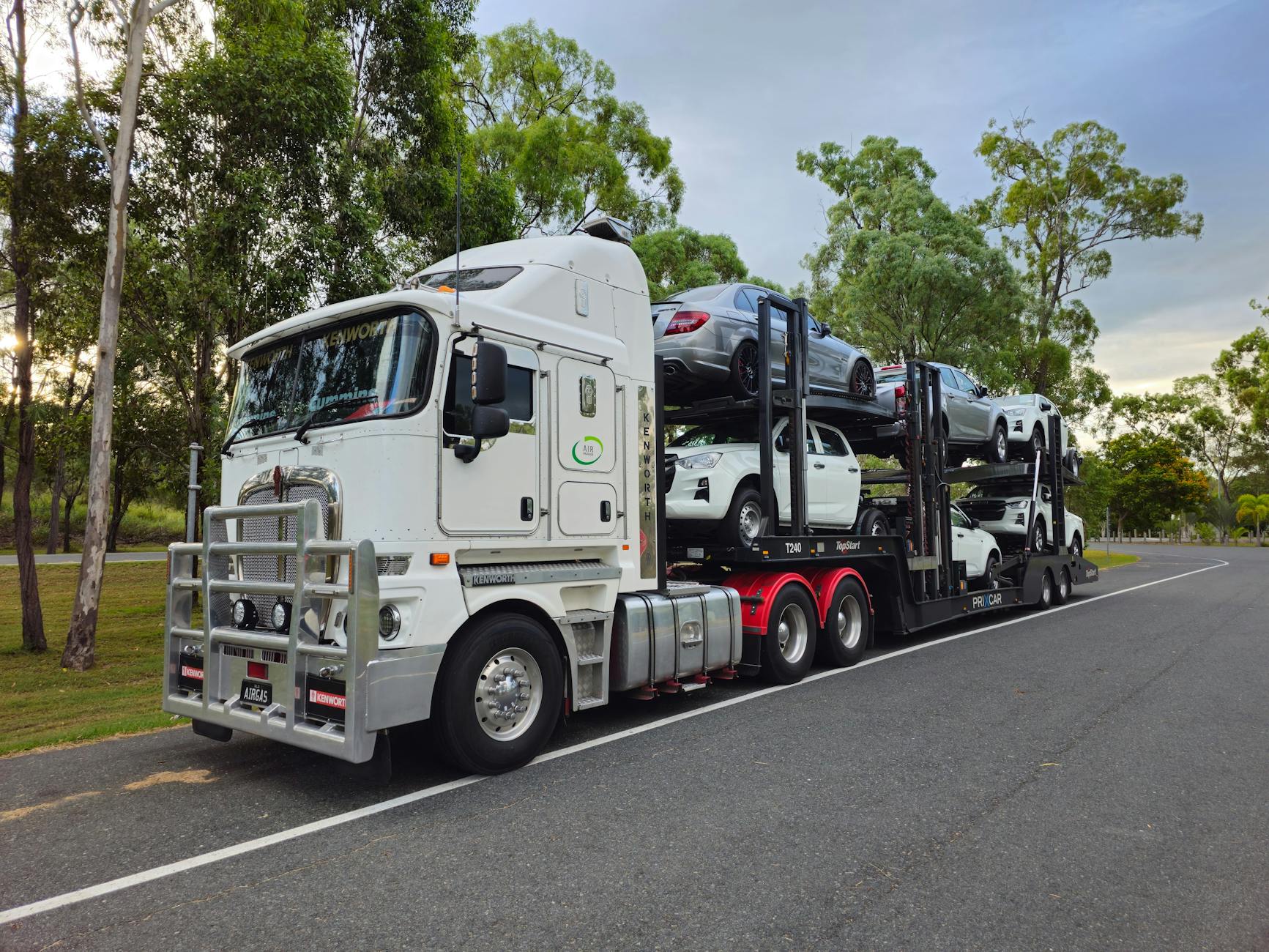
It is important to understand what “door-to-door” really means. Sometimes, the large carrier trucks cannot fit on every street. These trucks can be up to 75 feet long.
If you live on a narrow residential street with low hanging trees, the truck cannot drive to your front door safely. If you live in an apartment complex with tight turns, the truck may get stuck.
In these cases, the driver will ask to meet you at a nearby parking lot. This is usually a grocery store or a large shopping center just a mile or two away. It is still considered door-to-door service because it is very close to your location.
Ideal for Long Distance Moves
This method is the best choice for door to door state to state car shipping. When you are moving across the country, you have a lot to manage. You do not want to add extra driving to your list.
This service allows the driver to meet you right at your driveway or very close by. You can oversee the inspection of your vehicle without leaving your neighborhood.
This maximizes your time savings. You can focus on packing boxes or saying goodbye to friends instead of sitting in traffic.
The Safety Advantage
One of the biggest benefits of this method is safety. In the logistics industry, damage often happens when freight is moved from one truck to another.
With door-to-door transport, there are fewer handoffs. Your car typically stays on the same truck for the entire journey. Once it is loaded in your driveway, it stays strapped down until it reaches your new home. This greatly reduces the risk of damage or theft. When a car sits in a storage lot, it is exposed to more risks.
Data shows that over 95% of shipments using this method are claim-free. This means the car arrives in the exact same condition it left in.
Serving Rural Locations
If you live in a rural area, you might be far away from a big city. Most shipping terminals are located in major cities near highways. If you choose a terminal option, you might have to drive two or three hours just to drop off your car.
Door-to-door service is especially suited for rural areas that do not have convenient access to terminal locations. The truck comes to you, saving you a long road trip before your move even begins.
Section 2: Why Convenience Often Wins with Door to Door Car Shipping
For most people, door to door car shipping is simply the easiest way to ship car out of state. When you are planning a move, convenience is usually the top priority.
Moving involves a lot of moving parts. You have to manage movers, utilities, and travel plans. Adding a complicated car drop-off to that list can be a “logistical nightmare.”
This service explicitly removes that hassle. You do not have to find a friend to follow you to a terminal. You do not have to pay for a long taxi ride back home.
Who Benefits the Most?
Certain types of people benefit more from this premium service.
- Busy Professionals: If you work long hours, you do not have time to drive to a warehouse during business hours. You need the truck to come to your office or home.
- Owners of Non-Running Vehicles: If your car does not start, you cannot drive it to a terminal. You need a carrier with a winch to come to your driveway and load it up.
- Luxury Car Owners: If you have a classic or expensive car, you do not want it sitting in a public lot. You want it loaded directly onto the truck under your supervision.
These users benefit from real-time communication. You get the driver’s phone number. You can call or text to check on your estimated time of arrival. This direct contact helps avoid delays and confusion.
Scenarios Where Convenience is Crucial
There are specific life events where saving time is critical.
Military PCS Moves:
Military families often have strict timelines. They need to report to a new base by a certain date. They cannot afford to wait around for a terminal to open. They need a scheduled pickup.
College Relocations:
Students moving to a dorm do not have extra cars or resources. They need their vehicle delivered to the campus area so they can settle in for the semester.
Snowbird Travel:
Retirees moving south for the winter want a stress-free trip. They often fly to their destination and want their car to meet them there. They do not want to navigate a confusing freight yard in a new city.
In all these cases, the “peace of mind” factor is huge. Knowing your car is coming to you allows you to relax. Terminal shipping often involves uncertainty about when the car will be ready.
Section 3: The Alternative – Terminal Shipping Explained
To make a good decision, you must understand the other option. Terminal to terminal car transport is the main alternative to door-to-door service.
This method operates like a bus station for cars. It involves the customer dropping their car off at a regional storage yard, known as a terminal. The carrier then picks up a full load of cars from that yard.
Once the truck reaches the destination city, it drops the cars off at another yard. You then have to travel to that yard to pick up your vehicle.
The Financial Aspect of Terminal Auto Shipping
When people look at terminal auto shipping, they usually look at the price tag first. It is true that the base price is cheaper.
Typically, this method is $100 to $200 less than door-to-door service for a trip of 1,000 miles. Carriers charge less because they save fuel. They can load 10 cars in one spot instead of driving to 10 different houses.
However, the lower price on the quote is not always the final price you pay. There are often hidden costs that you must calculate.
Hidden Costs of Terminals
You need to look at the total cost of the move, not just the shipping fee.
- Storage Fees: Most terminals charge a daily fee if you do not pick up your car immediately. If your flight is delayed and you arrive two days late, you will pay extra.
- Transport Costs: How will you get from the terminal to your final destination? If the terminal is 30 miles away, a taxi or rideshare could cost $50 to $80. You have to pay this at both ends of the trip.
- Gas and Mileage: If you have to drive your second car to the terminal to pick up the shipped car, you are using gas and putting miles on your vehicle.
- Time Off Work: Terminals often have set business hours. You might have to take a half-day off work to get there before they close.
When you add these costs up, the $100 savings disappears quickly.
The Pros of Terminal Shipping
There are some situations where this method works well.
- Flexibility: If you need to get rid of your car today but you are not leaving for a week, you can drop it off early. It acts as a parking spot.
- High-Traffic Routes: On very popular routes, like Los Angeles to Miami, terminals run efficiently. There are fewer delays because trucks are always filling up.
The Downsides of Terminals
There are significant risks to consider.
More Touchpoints:
Your car is moved more often. A forklift or yard dog driver might move your car three or four times to organize the lot. Every time the car is moved, there is a small risk of a scratch or dent.
Delays:
Carriers wait until they have a full load before leaving the terminal. If the truck needs 10 cars and only 8 are there, they will wait. This is called load consolidation. It can delay your delivery by days.
Security Risks:
Terminals are large lots filled with cars. While many are fenced, they are not always watched 24/7. Unattended storage increases the risk of theft or vandalism compared to a car that is moving on a highway.
Section 4: Weighing Your Choices – Car Shipping Delivery Options Compared
Now that we have looked at the details, we need to compare the car shipping delivery options side by side. This analysis will help you decide what matters most to you.
1. Cost Comparison
Door-to-Door:
The quote you receive will be slightly higher. It is usually $100 to $200 more than a terminal quote. However, this price is all-inclusive regarding convenience. You do not spend extra money on gas or taxis to get your car.
Terminal-to-Terminal:
The base rate is lower. But, as we discussed, add-ons reduce the actual savings. If you spend $60 on an Uber to the terminal and $60 on an Uber from the destination terminal, you have spent $120. Your savings are now gone.
2. Security and Safety
Door-to-Door:
This option offers fewer handoffs. The driver loads your car, and that same driver unloads it. You have direct oversight. You see the car go on the truck. You see it come off.
Terminal-to-Terminal:
This involves multiple transfers. A local tow truck might take it to the terminal. A yard worker moves it. A long-haul driver picks it up. Then it is dropped at another yard. Then you pick it up. This exposure in lots leads to higher risk.
3. Timeline and Speed
Door-to-Door:
This is faster and more predictable. For example, a trip from the Midwest to the South might take 3 to 5 days. Since the driver is coming straight to you, there is no waiting for other cars to fill a warehouse quota.
Terminal-to-Terminal:
This is almost always slower. The delays are due to consolidations. The truck will not leave until it is full. Also, once the car arrives, it might sit in storage for days before you can get time off work to pick it up.
4. Convenience Level
Door-to-Door:
This is the hassle-free option. It fits into your life. You do not have to rearrange your schedule to fit the shipping company. It is ideal for remote users or anyone who values their free time.
Terminal-to-Terminal:
This requires effort from you. You must drive to and from the facility. It is very inflexible for rural spots. If the nearest terminal is 150 miles away, this option is not practical at all.
The Verdict
When you look at the big picture, door-to-door generally wins for speed and control. It offers a predictable experience. You know who has your car and when it will arrive.
Terminals are strictly for budget priorities. If you live very close to a major facility and you have absolutely no deadline, you can save a little money. But for most people, the trade-off is not worth it.
Conclusion
Choosing how to move your car is a big decision. While terminal options exist for those with strict budgets, door to door car shipping is the industry standard for reliability and ease.
The data clearly shows that the small extra cost pays for itself. It pays for the safety of your vehicle. It pays for the time you save not driving to a warehouse. And it pays for the peace of mind knowing your car is in good hands.
Do not risk your vehicle’s safety or waste your valuable time on complex logistics. Prioritize a smooth move by requesting a quote for premium shipping services today.
Frequently Asked Questions
Is door-to-door shipping always more expensive?
Typically, yes. It costs $100-$200 more upfront than terminal shipping. However, when you factor in the fuel, taxis, and time required to travel to a terminal, the final cost difference is often negligible.
Does the truck come right to my front door?
In most cases, yes. However, if your street is narrow or has low-hanging trees, the driver will arrange to meet you at a nearby large parking lot, like a grocery store, to ensure safety.
Is my car insured during terminal storage?
Coverage varies. While the car is on the truck, it is covered by the carrier’s cargo insurance. However, coverage limits may decrease or change while the vehicle is sitting stationary in a terminal yard, so it is vital to check the policy details.