
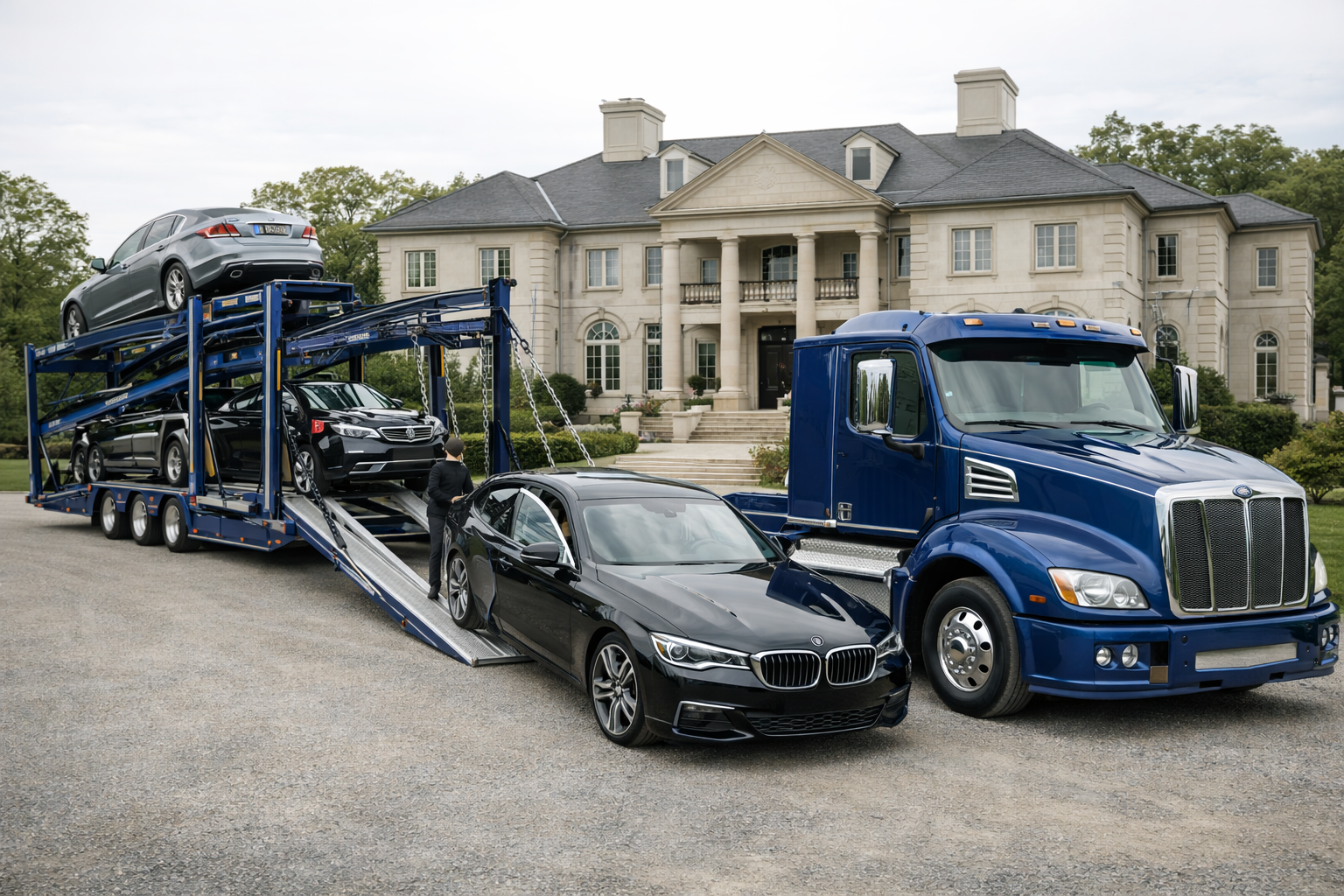
Understanding Your Car Shipping Timeline: A Guide to Delivery Estimates and Duration
Estimated reading time: 7 minutes
Key Takeaways
- Distance Dictates Time: Moves under 500 miles may take 1-2 days, while cross-country trips often require 7-10 days due to safety stops.
- Safety Rules: Strict DOT “Hours of Service” regulations prevent drivers from driving 24/7, ensuring your vehicle’s safety.
- Key Variables: Seasonality (like “Snowbirds”), weather, and traffic conditions directly impact the speed of delivery.
- Delivery Windows: Expect a 1-3 day window for pick-up and delivery rather than an exact minute, due to the logistics of multi-car carriers.
- Preparation Matters: Booking 2-3 weeks in advance and having your vehicle ready helps ensure the smoothest timeline.
Table of contents
- Understanding Your Car Shipping Timeline
- Key Takeaways
- Distance Breakdown: How Long Does It Take?
- Why Long Distance Takes Time: The Safety Rules
- Key Factors That Influence Delivery Times
- Understanding Dates vs. The Vehicle Delivery Window
- How to Ensure the Smoothest Possible Timeline
- Conclusion
- Frequently Asked Questions
Moving to a new home is a very big job. You have boxes to pack, utilities to switch, and a new life to organize. It can feel like there is too much to do. We know that moving is stressful. However, figuring out how to move your vehicle should not add to that worry.
Many people think shipping a car is a mystery. They want to know exactly when their car will arrive. This guide is here to help you understand the car shipping timeline.
This is not the same as mailing a package. When you order a toy or a book online, it comes very fast. Shipping a car is different. It is a huge machine. It requires a large truck and a skilled driver. There are many rules the driver must follow.
The car shipping timeline is not just the time the car spends on the road. It is the total process. It includes the day you book the order. It includes the days you wait for the truck to arrive. It also includes the actual drive.
While auto transport is very efficient, it is not instant. It relies on complex planning. It depends on safety laws. This guide will move beyond guessing. We will give you real estimates based on how far your car needs to go.
Distance Breakdown: Answering “How Long Does It Take to Ship a Car Across State Lines?”
The biggest thing that changes the speed of your delivery is distance. This makes sense. The farther the car has to go, the longer it will take. However, it is not as simple as doing math on a map.
A large carrier truck is heavy. It cannot drive as fast as a regular car. It takes longer to speed up and longer to stop. Because of this, we have general rules of thumb to help you plan.
We can answer the question “how long does it take to ship a car across state lines?” by looking at the miles. Here is a breakdown of what you can expect:
Estimated Time Based on Miles
- Short Distance (0-500 miles):
- Time: 1 to 2 days.
- Details: This is a quick trip. It often happens within a single day. If the driver picks up your car in the morning, they might deliver it that afternoon. Sometimes, it happens the very next morning. This is common for moves within the same state or to a neighbor state.
- Medium Distance (500-1,500 miles):
- Time: 3 to 5 days.
- Details: This trip crosses several state lines. For example, moving from the Midwest to the South. The driver cannot drive this in one go. They must stop to sleep and eat. This adds days to the trip.
- Long Distance (1,500-2,500+ miles):
- Time: 7 to 10 days.
- Details: This is a very long haul. It usually covers coast-to-coast moves. It involves crossing mountains, plains, and busy cities. It requires a full week or more of travel.
Understanding Cross Country Car Shipping Duration
When people ask about cross country car shipping duration, they are usually moving from the Atlantic Ocean to the Pacific Ocean. An example is moving from New York to California.
You might wonder why it takes up to 10 days. You might think, “I could drive that faster myself.” You might be right, but professional truck drivers have strict rules they must follow. These rules are for safety.
Why Long Distance Takes Time: The Safety Rules
Professional drivers cannot drive 24 hours a day. That would be dangerous. A tired driver is a risk to everyone on the road.
The Department of Transportation (DOT) and the Federal Motor Carrier Safety Administration (FMCSA) have strict laws. These are called “Hours of Service” regulations.
Here is how the rules limit how fast a truck can move:
- 11-Hour Driving Limit: A driver is only allowed to drive for 11 hours maximum. After that, they must stop.
- 14-Hour Duty Window: A driver cannot work more than 14 hours in a row. This includes driving, loading cars, and filling up gas.
- 10-Hour Break: After their shift, the driver must take 10 hours off. They must rest and sleep.
Because of these rules, a carrier cannot rush across the country. They physically stop every single day for a long rest. This ensures your car arrives safely without accidents.
Key Factors That Influence Car Shipping Delivery Times
The numbers listed above are estimates. They are good guesses, but they are not guarantees. Real life happens. Weather changes. Traffic gets bad. These things affect car shipping delivery times.
It is helpful to know what causes delays. If you know these factors, you won’t be surprised. You can plan better. Here are the three main things that change the interstate auto transport timeline.
1. Seasonality: The Time of Year
The time of year matters a lot. Shipping a car in July is different than shipping in January.
Snowbird Season
There is a group of people known as “Snowbirds”. These are usually retirees who live in the north during the summer. When it gets cold, they move south to places like Florida or Arizona.
- Fall: Everyone moves South.
- Spring: Everyone moves North.
During these times, the routes are very busy. There are more cars than trucks. This can slow things down. If you are shipping a car on these routes during “Snowbird Season,” it might take a little longer to find a spot on a truck.
Winter Conditions
Winter weather is tough on big trucks. Snow and ice make roads slippery. A regular car can slide on ice, but a heavy truck with 9 cars on it is much harder to control.
For safety, drivers must drive very slow in snow. Sometimes, roads are closed completely. If a storm hits, the driver has to pull over and wait. This extends the timeline.
2. Location and Route Accessibility
Where you live changes how fast the truck can get to you.
Metro-to-Metro
This means moving from one big city to another big city. For example, Los Angeles to Chicago.
- These places are near big highways.
- There are many trucks going there already.
- This is the fastest way to ship.
Rural-to-Rural
This means moving from a small town to another small town. Maybe you live far away from the highway.
- The driver has to leave the main road.
- They have to drive on slower, smaller roads.
- This adds time to the trip.
Think of the major interstates (like I-95, I-10, or I-80) as rivers. The current moves fast there. If you live far from the river, the driver has to paddle up a small stream to get to you. This detour adds time to the interstate auto transport timeline.
3. Traffic and Road Conditions
Trucks share the road with everyone else. They get stuck in traffic jams just like you do.
- Construction: Road work slows everyone down.
- Accidents: A crash can close a highway for hours.
- Rush Hour: Driving through a city at 5:00 PM is very slow.
Unlike an airplane, a car carrier cannot fly over traffic. They have to sit and wait. This is a normal part of shipping. It is why we give a range of days (like 3-5 days) instead of an exact hour.
Understanding Dates vs. The Vehicle Delivery Window
When you talk to a shipping company, you will hear the phrase vehicle delivery window. It is important to know what this means.
A car carrier is a huge truck. It usually carries 7 to 9 vehicles at one time. Your car is sharing a ride with other cars. This is like a bus route. The driver has to pick up and drop off other cars, not just yours.
The Logistics of Loading
Imagine your car is the 7th car on the truck. The driver has to unload car number 1, car number 2, and so on, before they get to you.
- Loading a car takes time.
- The driver has to inspect the car for scratches.
- They have to sign papers with the owner.
- Sometimes, the owner of car number 3 is late meeting the driver.
Because of this, the driver cannot predict the exact minute they will arrive at your house. One delay earlier in the day affects everyone else.
Pick-up Window vs. Transit Time
There are two different timeframes you need to know.
1. The Pick-up Window
This is the time before the car leaves. When you book, you are given a 1 to 3-day window. This is when the truck will arrive to get your car.
- Example: “We will pick up your car between Monday and Wednesday.”
- You need to be available during these days.
2. Transit Time
This is the time the car is actually on the road.
- Example: “Once picked up, it will take 5 days to get there.”
Why the “Window” Helps You
The “window” protects you. It means you do not have to sit by your front door all day long. You can go about your life.
The driver will communicate with you. Typically, the driver calls you 12 to 24 hours before they arrive. They will say something like, “I am in the next state. I will be there tomorrow around noon.”
This call narrows the vehicle delivery window down. It lets you plan your day. It ensures you are ready when the big truck pulls up.
How to Ensure the Smoothest Possible Timeline
You want your car to arrive fast. You want no delays. There are things you can do to help. If you follow these tips, you help the driver stay on schedule.
Tip 1: Book in Advance
Do not wait until the last minute. You should try to book your transport 2 to 3 weeks before you want to move.
Why does this help?
It gives the logistics team time to find the best truck for you. If you book early, they can find a carrier already going your way. If you call the day before, it is hard to find a spot. It is like booking a plane ticket. It is always better to do it early.
Tip 2: Be Flexible
Try to be flexible with your dates. Maybe you want the car picked up on the 1st of the month. But maybe a truck is passing through your town on the 3rd.
If you can wait two days, your car might get on a faster, more direct route. Being open to different days can actually result in faster overall delivery. It helps your car fit into the carrier’s existing schedule perfectly.
Tip 3: Vehicle Readiness
You must make sure your car is ready to go.
- Running Condition: The car should start, run, and brake.
- Gas: Keep the gas tank about 1/4 full. This is enough to drive it on and off the truck. Do not fill it to the top. A full tank is heavy. Extra weight slows the truck down.
- Keys: Have a set of keys ready for the driver.
The Issue with Non-Running Cars (Inop)
If your car does not run, you must tell the shipper immediately. This is called an “inop” (in-operable) vehicle.
- A normal truck cannot load a dead car.
- They need a truck with a winch.
- A winch pulls the car up the ramp.
If the driver arrives and the car does not start, and they do not have a winch, they cannot take it. They have to leave. You will have to wait for a different truck. This causes a big delay. Being honest about the car’s condition keeps the timeline smooth.
Conclusion
Shipping a car is a great way to move. It saves you from driving thousands of miles. It saves your car from wear and tear. However, it requires a little patience and planning.
The car shipping timeline is not a mystery. It depends on distance, the season, and the rules of the road. Short moves take a day or two. Cross-country moves can take more than a week because drivers must rest for safety.
Now that you know how it works, you can plan your move with confidence. You understand that a delivery window is normal. You know that weather and traffic play a part.
When you have realistic expectations, the process is not stressful. You can focus on moving into your new home, knowing your car is on its way.
Are you ready to see exactly how long your specific route will take? You should get some numbers for your specific situation. Use our quote calculator today to get a personalized timeline estimate for your move.
Frequently Asked Questions
How long does it take to ship a car cross-country?
Typically, shipping a car from coast to coast takes 7 to 10 days. This duration accounts for the vast distance and the mandatory rest periods drivers must take to comply with safety regulations.
Why is there a delivery window instead of a specific time?
Auto transport carriers often haul 7 to 9 vehicles at once. Delays in loading other cars, traffic, or weather can shift the schedule. A window provides flexibility for these unforeseen events while ensuring your car gets delivered safely.
How far in advance should I book my car shipment?
To ensure the smoothest timeline and secure a spot on a carrier, it is best to book your transport 2 to 3 weeks before your desired move date.