
Open vs Enclosed Car Shipping: Making the Right Choice for Your Vehicle
Estimated reading time: 6 minutes
Key Takeaways
- Open Shipping is the industry standard, used for 90% of vehicles, and is the most cost-effective option.
- Enclosed Shipping provides “white-glove” service, protecting vehicles from weather and road debris.
- Enclosed transport typically costs 30% to 60% more than open transport due to lower capacity and higher insurance limits.
- Choose enclosed shipping for luxury, classic, low-clearance, or sentimental vehicles.
- Choose open shipping for daily drivers, family SUVs, and standard hauling needs.
Table of contents
- Open vs Enclosed Car Shipping: Making the Right Choice for Your Vehicle
- Section 1: Understanding Your Car Hauling Options
- Section 2: The Core Comparison (Safety vs. Cost)
- Section 3: Factors Influencing the Decision
- Section 4: When to Choose Enclosed Transport
- Section 5: Determining the Best Way to Ship Car Across Country
- Conclusion
- Frequently Asked Questions
Handing over the keys to your car for a long-distance move can feel scary. Your vehicle is not just a machine. It is a valuable asset and a big part of your daily life.
Many people feel anxious when they think about their car traveling hundreds of miles on a highway. You might worry about bad weather like hail or snow. You might worry about rocks flying up from the road. You might even worry about dust and dirt covering your paint.
These are normal worries. The best way to lower your stress is to understand your choices.
The first step in a stress-free move is understanding the difference between open vs enclosed car shipping.
When you know how these two methods work, you can make a smart choice. You can pick the right service for your budget and your car’s needs.
Here is a simple way to look at the two methods:
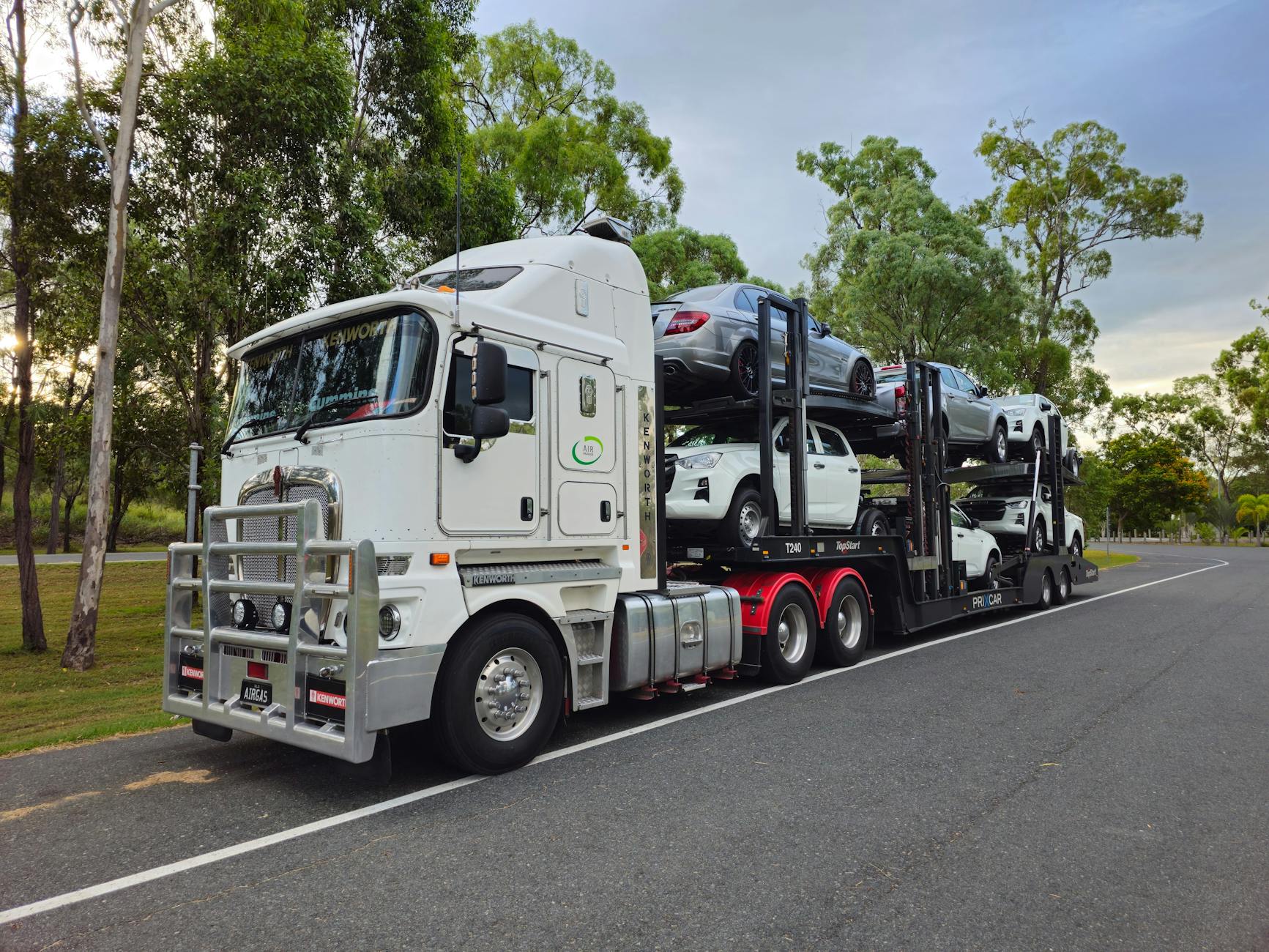
- Open Shipping: This is the standard method. It is cost-effective. It is the same method car manufacturers use to send new cars to dealerships.
- Enclosed Shipping: This is a premium service. It is like a “white-glove” service for very expensive or special vehicles.
This guide is here to help you. We will look at the costs of each method. We will look at safety levels. We will help you decide which trailer is best for you.
Most people choose open transport. In fact, about 90% of all car shipments in the U.S. use open trailers.
However, enclosed shipping offers special benefits for the remaining 10% of vehicles. These are usually luxury, classic, or custom cars that need extra care.
By the end of this article, you will know exactly which path to take.
Section 1: Understanding Your Car Hauling Options
When evaluating current car hauling options, the industry is divided into two distinct categories.
Knowing the physical difference between these trucks is very important. It helps you visualize how your car will travel down the highway.
Both methods are professional. Both methods use trained drivers. But the equipment is very different.
Detailed Definition: Open Transport
Open transport is what you see most often on the highway.
The Equipment
These carriers use large, two-tier trailers. They are open on all sides. There are no walls and no roof covering the cars.
The trailer is built with a metal frame. It has ramps and hydraulics to stack cars on top of each other. The cars are exposed to the outside air.
Capacity and Efficiency
These large trailers are built for high volume. They typically haul between 7 to 10 vehicles at once.
Because the truck can carry so many cars, the cost is split among many customers. This high volume is what keeps efficiency high. It is also what keeps prices lower for you.
This is the standard way cars are moved from factories to dealers. It is safe, but it is not private.
Detailed Definition: Enclosed Transport
Enclosed transport is a more specialized service. It is less common to see these on the road because they look like regular large freight trucks.
The Equipment
These trailers are fully shielded. They look like long box trucks.
They have a roof, a floor, and four walls. The walls can be “hard-sided” (made of metal or fiberglass) or “soft-sided” (made of heavy-duty canvas).
The cargo area is completely protected. No one on the outside can see what is inside.
Capacity and Attention
These trailers are smaller inside than open carriers. They usually haul only 1 to 4 vehicles at a time.
Because there are fewer cars, the driver can give each one more attention. The loading process is slower and more careful. This low capacity is a key feature of the service.
Section 2: The Core Comparison (Safety vs. Cost)
Now that you know what the trucks look like, we need to compare the details. We need to look at open car carrier vs enclosed transport regarding your wallet and your peace of mind.
This is usually where customers make their final decision. You must balance the price against the level of protection.
Cost Analysis
There is a big price difference between these two methods.
The Price Gap
Enclosed transport is significantly more expensive. You can expect to pay 30% to 60% more than open transport.
In some cases, the price can be nearly double. For a long trip, this could mean a difference of $1,000 or more depending on the route.
Why Does It Cost More?
You might wonder why the price jump is so high. There are three main reasons:
- Capacity: An enclosed driver moves fewer cars. Fewer cars mean fewer customers paying for the fuel and time. Each customer must pay a larger share.
- Equipment: Enclosed trailers are specialized and expensive to buy and maintain.
- Insurance: Drivers of enclosed trailers often carry higher insurance coverage limits. They do this because the cargo is usually worth much more money.
Protection Level Analysis
The second part of the comparison is safety. How safe is your car really?
Open Transport Protection
Open transport is very safe for structural integrity. Structural damage is extremely rare.
However, your vehicle is exposed. It will face:
- Rain and snow.
- Hot sun.
- Road dust and dirt.
- Insects.
Think of it this way: It is comparable to driving the car on the highway yourself. The only difference is that you are not putting miles on the odometer/engine. If you are okay with driving your car on the freeway, you will likely be okay with open transport.
Enclosed Transport Protection
Enclosed transport offers “white glove” protection. This is the highest level of safety available.
Your vehicle is protected from:
- Weather Elements: Hail, snow, and ice cannot touch the car.
- Road Kick-up: Rocks, asphalt, and tire rubber kicked up by other trucks cannot hit your paint.
- Security: Vehicles are hidden from prying eyes. This prevents theft and vandalism because no one knows an expensive car is inside.
Section 3: Factors Influencing the Decision
Price and safety are not the only things to think about. When considering open vs enclosed car shipping long distance, the time your vehicle spends on the road becomes a critical factor.
The longer the trip, the more exposure your car has.
Distance and Dirt
If you are moving a car to the next town, open transport is easy. But cross-country trips are different.
The Open Carrier Experience
On a long trip, your car might be on the trailer for 7 to 10 days. During this time, it is sitting outside.
It will collect dust. It will collect road grime. If it rains, the car will get muddy spots.
When the car arrives, it will be dirty. You will almost certainly need to wash it. This is not damage, but it is an inconvenience.
The Enclosed Experience
With enclosed shipping, the car travels in a clean room. It is sealed off from the outside world.
The vehicle arrives in the exact condition it left. If you wash and wax it before pickup, it will arrive shiny and clean. It is “showroom ready” the moment it rolls off the truck.
Vehicle Type
What kind of car are you moving? This is a huge factor.
Daily Drivers
Standard sedans, SUVs, and trucks are built to be outside. They are parked in driveways and grocery store parking lots.
For these cars, open transport is perfect. A little dust will not hurt a Honda Accord or a Ford F-150.
Investment Vehicles
Some cars are investments. This includes classic cars, vintage models, and high-end sports cars.
For these cars, “original paint” is very important. If the original paint gets a rock chip, the value of the car drops. The cost to fix the paint might be more than the extra cost of shipping.
For these cars, the risk of a rock chip on an open carrier is financially significant. This justifies the enclosed cost.
Route and Weather
You should also look at the map and the calendar.
Seasonality
Are you shipping in the winter? Are you shipping through northern states?
Salt on winter roads is very bad for cars. It causes rust. If your car is on an open carrier in the winter, it might get covered in salty road spray.
Hail Season
In some parts of the country, hail storms happen suddenly. An open carrier cannot stop hail from hitting your car.
If you are shipping during bad weather seasons, enclosed transport acts as insurance against weather damage.
Section 4: When to Choose Enclosed Transport
We highly recommend enclosed car transport for state to state relocation if your vehicle falls into the luxury or antique category.
It is not just about the box around the car. It is about the specialized service that comes with it.
Target Audience
Who usually buys this service? It is not for everyone. It is designed for specific owners.
You should choose this if you own:
- Classic or Vintage Cars: Any vehicle from the pre-1980s that has been restored.
- Luxury and Exotic Cars: High-performance sports cars like Ferraris or Lamborghinis.
- Custom Vehicles: Cars with expensive custom paint jobs or body kits.
- Sentimental Vehicles: A car passed down through generations that cannot be replaced.
Technical Advantages (Lift Gates)
There is a technical reason to choose enclosed transport, too. It is called a hydraulic lift gate.
The Problem with Ramps
Open carriers use long metal ramps to load cars. These ramps are steep.
If you have a sports car, it sits very low to the ground. We call this “low ground clearance.” When a low car tries to go up a steep ramp, the front bumper often scrapes the metal. This causes damage.
The Lift Gate Solution
Many enclosed trailers do not use steep ramps. Instead, they use hydraulic lift gates.
Think of this as a horizontal elevator. The gate lays flat on the ground. The car drives onto it comfortably. The gate then lifts straight up to the level of the trailer. The car rolls inside without tilting.
This prevents low-clearance vehicles from scraping their front bumpers or undercarriages during loading and unloading.
Section 5: Determining the Best Way to Ship Car Across Country
You have all the facts. Now you need to make a decision. Finding the best way to ship car across country depends on your specific profile.
We have created a simple decision matrix to help you summarize your choice.
Decision Matrix (The Synthesis)
Read through these two lists. See which one describes you and your vehicle best.
Choose Open Transport If:
- Vehicle Type: You are shipping a daily commuter, a family SUV, or a minivan.
- Budget: You are working with a standard budget and want to save money.
- Condition: You do not mind if the car arrives dusty or needs a car wash.
- Speed: You need faster scheduling. Because there are more open carriers on the road, booking one is usually easier and faster.
Choose Enclosed Transport If:
- Value: The vehicle is worth over $100,000.
- Clearance: The car has low ground clearance (less than 4 inches).
- Roof Type: The car is a convertible with a soft top. Soft tops are susceptible to wind damage on open highways.
- Peace of Mind: You require absolute peace of mind regardless of cost. You want the car to arrive perfectly clean.
Making the right choice is about matching the service to the asset. You would not wrap a brick in silk, but you would not wrap a diamond in newspaper.
Treat your car according to its needs.
Conclusion
Shipping a car does not have to be a headache. It is simply a choice between two good options.
The battle of open vs enclosed car shipping is a trade-off between cost-efficiency and maximum protection.
If you choose open shipping, you get a great price and reliable service. Your car will get there safely, even if it needs a quick wash upon arrival.
If you choose enclosed shipping, you pay a premium price for premium care. You get total protection from weather and roads.
Reputable transport providers handle both methods with professional care. Whether the trailer is open or closed, the drivers are trained to secure your vehicle properly. They ensure safety regardless of the choice.
Now it is time to stop guessing and get real numbers.
Do not rely on estimates in your head. Every route is different. Every season is different.
We invite you to use our quote calculator today. Or, contact our team directly. We can discuss your timeline and your budget. We will help you find the trailer type that fits your life perfectly.
Frequently Asked Questions
What is the main difference between open and enclosed car shipping?
The main difference is the trailer type. Open shipping uses a trailer exposed to elements, making it cheaper and more common. Enclosed shipping uses a box trailer with walls and a roof, offering complete protection from weather and road debris for a higher price.
Is open car transport safe for my car?
Yes, open transport is safe and is used for about 90% of all vehicle shipments in the U.S. While your car is exposed to dust and weather, structural damage is extremely rare, and cars are securely strapped down.
How much more expensive is enclosed shipping?
Enclosed shipping typically costs 30% to 60% more than open transport. The higher cost is due to specialized equipment, lower hauling capacity (fewer cars per truck), and higher insurance limits carried by the drivers.
Does my car need enclosed shipping?
If you have a standard daily driver, open shipping is usually sufficient. You should choose enclosed shipping if you have a luxury vehicle, a classic car, a vehicle with low ground clearance, or a car with significant sentimental or financial value.