
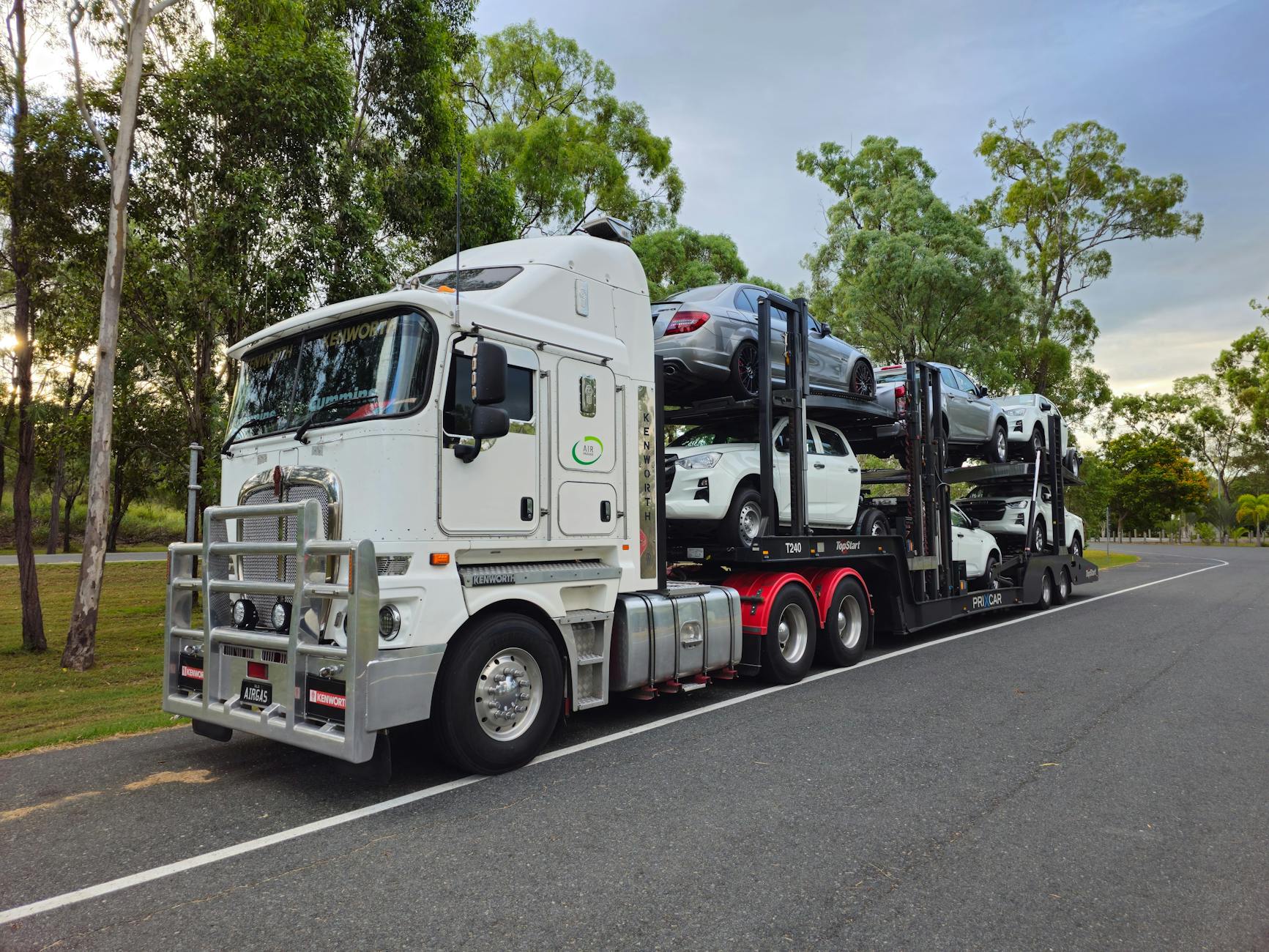
Breakdown of the Cost to Ship Car Across State Lines: A 2026 Guide to Interstate Rates
Estimated reading time: 8 minutes
Key Takeaways
- The average cost to ship a car typically ranges between $500 and $2,000.
- Prices drop significantly per mile on long-distance trips (economy of scale).
- Open Transport is the industry standard and can save you hundreds compared to enclosed shipping.
- Booking 2 to 4 weeks in advance helps secure the best rates for 2026.
- Use a specialized calculator to get an exact quote based on your vehicle size and route.
Table of contents
- Understanding Interstate Car Shipping Rates (The Variables)
- Average Price of State to State Car Shipping Breakdown
- How to Calculate Your Cost to Ship Car to Another State
- Looking Ahead: Market Trends for Car Transport Quotes 2026
- Tips for Getting the Best Value on Interstate Car Shipping Rates
- Frequently Asked Questions
Moving to a new home is a huge life event. It is exciting, but it also comes with a lot of planning. One of the biggest parts of your plan is your budget. You know how much the moving truck costs for your boxes. But what about your vehicle?
Many people find that figuring out the cost to ship car across state lines is the most confusing part of the process. You might hear different numbers from friends or see varying prices online. It can be stressful to guess how much money you need to set aside.
We are here to help you solve that problem. We want to take the guesswork out of your planning.
Generally, the price to move a vehicle to another state ranges from $500 to over $2,000. This wide range depends heavily on how far you are going and what kind of car you drive.
In this guide, we will look at every detail that changes the price. We will look at specific costs for different distances. We will also show you how to use a calculator to get an exact number. By the end of this post, you will know exactly what to expect for your 2026 move.
Understanding Interstate Car Shipping Rates (The Variables)
You cannot find a single “flat rate” for shipping a car. Every move is different. Because of this, interstate car shipping rates change based on a few important factors.
Think of it like buying an airline ticket. The price changes based on where you fly, when you fly, and what kind of seat you choose. Car shipping works in a very similar way.
Here are the main things that will make your price go up or down.
Distance and Route
The most obvious factor is how far the truck has to drive. However, it is not just about the total miles. There is a concept called “economy of scale.”
Here is how it works:
- Short Trips: If you ship a car a short distance, the price per mile is higher.
- Long Trips: If you ship a car a long distance, the price per mile gets much lower.
For trips that are under 500 miles, you might pay between $1.55 and $2.50 per mile. But if you are moving across the country, over 2,500 miles, that rate can drop to $0.50 to $0.65 per mile. Even though the rate is lower, the total bill is higher because you are traveling so far.
The route matters too. Trucks like to stay on main highways. Routes that are very popular, like going from the East Coast to the West Coast, often have better prices. There are more trucks available on these roads. For a standard sedan, these popular long-distance routes often cost between $1,100 and $1,300.
Vehicle Size and Condition
The bigger your vehicle is, the more it will cost to ship. Car carriers have limited space. They also have strict weight limits set by the government.
- Sedans: These are the cheapest to ship. They are light and do not take up much room. A coast-to-coast trip might cost around $1,100.
- SUVs and Pickups: These are heavier and taller. They take up more space on the trailer. This means the driver can haul fewer cars. Because of this, the price jumps to $1,300 or more.
The condition of your car matters, too. Does your car run? If you can drive it onto the truck, you pay the standard rate.
If your car does not run (inoperable), the cost goes up. The driver cannot simply drive it onto the trailer. They must use special equipment like a winch or a forklift to load it. This extra work and equipment adds to your total fee.
Transport Method (Open vs. Enclosed)
You have two main choices for how your car is transported. This is one of the biggest factors in your final price.
Open Transport
This is the industry standard. You have likely seen these trucks on the highway. They carry many cars at once on two open decks.
- It is the most affordable option.
- It is safe and very common.
- Choosing this method can save you $400 to $500 compared to enclosed shipping.
Enclosed Transport
This method uses a truck with a fully covered trailer. It protects the vehicle from rain, dust, and road debris.
- This is best for luxury cars, classic cars, or very expensive sports cars.
- It costs much more. Prices usually start around $930 and go up from there.
- It can take longer to find a driver because there are fewer enclosed trucks on the road.
Seasonality
When you move is just as important as where you move. The time of year affects supply and demand.
- Summer: This is “moving season.” Families move while kids are out of school. Demand is high, so prices go up.
- Winter: This is “snowbird season.” Many people move their cars from cold northern states to warm southern states. Routes going south can get very expensive during this time.
Fuel prices also change during the year. If gas is expensive, the trucks have to charge more to cover their costs.
Average Price of State to State Car Shipping Breakdown: What to Expect
It helps to see real numbers when you are planning your budget. While every quote is unique, we can look at averages to give you a good starting point.
The average price of state to state car shipping is usually lower if you choose Open Carrier transport. This is what most people use for their daily vehicles.
Below is a breakdown of what you might pay based on how many miles your car needs to travel.
Mileage Tiers and Estimated Costs
Under 500 Miles
This is considered a short-distance move. You might be moving to a neighboring state.
- Average Open Cost: $630 – $780
- Enclosed Upgrade: Add about $300
500 to 1,000 Miles
This is a medium-distance move. An example would be moving from Ohio to Georgia.
- Average Open Cost: $790 – $960
- Enclosed Upgrade: Add about $330 – $500
1,000 to 1,500 Miles
This is a long-distance move. You are crossing a large section of the country.
- Average Open Cost: $1,070 – $1,290
- Enclosed Upgrade: Add about $440
1,500 to 2,000 Miles
This distance covers almost two-thirds of the country.
- Average Open Cost: $1,320 – $1,530
- Enclosed Upgrade: Add about $410
2,000 to 2,500 Miles
This is a standard cross-country move.
- Average Open Cost: $1,360 – $1,600
- Enclosed Upgrade: Add about $490
Over 2,500 Miles
This is for the longest trips, such as moving from corner to corner of the US.
- Average Open Cost: $1,350 – $1,600
- Enclosed Upgrade: Add about $480
Regional Examples
To make this easier to understand, let’s look at some specific routes. These are real-world examples of what people pay.
- East Coast to Midwest: If you are shipping a standard sedan, this route is usually affordable. It might cost between $700 and $800.
- West Coast to NYC: This is a very long trip. It involves crossing mountains and plains. For this route, prices range from $1,325 to $1,925.
Remember, if you are shipping a large truck or SUV, you should add between $100 and $500 to the prices listed above.
How to Calculate Your Cost to Ship Car to Another State
The charts and lists above are great for estimates. They help you build a rough budget. However, they are not exact. The only way to find your specific cost to ship car to another state is to get a live quote.
To do this, you need to use a vehicle shipping price calculator.
Why Use a Calculator?
A calculator does more than just look at miles. It uses real-time data from carriers. It looks at how many trucks are in your area right now. It checks the current price of diesel fuel. It gives you a number based on today’s market, not last year’s averages.
What You Need to Get a Quote
To get an accurate price, you need to have specific information ready. The calculator needs these details to give you the right number.
- Exact Make and Model: The system needs to know if you are shipping a Honda Civic or a Ford F-150. This tells the calculator how heavy and large your vehicle is.
- Origin and Destination Zip Codes: Do not just use the state name. The zip code is crucial. It tells the system if you are in a big city or a rural town. Big cities are often cheaper because more trucks go there. Rural areas might cost more because the driver has to go out of their way.
- Transport Date: When do you want to move? As we discussed, prices change by season. The calculator needs the date to check for holiday spikes or seasonal demand.
A Note on State Lines
It is important to know that crossing a state line does not trigger a special fee. There is no “border tax” for shipping a car. The cost is almost entirely based on the mileage and the availability of drivers.
Looking Ahead: Market Trends for Car Transport Quotes 2026
The economy is always changing. These changes affect everything we buy, including shipping services. If you are planning for the year ahead, you need to know what is influencing car transport quotes 2026.
Current Price Trends
Right now, national averages for shipping a car are hovering between $1,020 and $1,300. On a per-mile basis, this is roughly $0.50 to $2.30 per mile.
Why are the prices sitting here? There are two main reasons:
- Fuel Prices: The cost of diesel fluctuates. When it goes up, carriers must charge more to stay in business.
- Driver Shortages: There is a high demand for skilled truck drivers. When there are fewer drivers available, the ones who are working can charge a bit more for their space.
Predicting 2026
Experts expect these trends to continue into 2026. We may see prices rise slightly during the peak seasons we mentioned earlier.
The most important thing to remember is not to wait until the last minute. Because of the driver shortage, spots on trucks fill up fast. If you wait too long, you might have to pay a “premium” or “expedited” rate to get your car moved on time.
Using a calculator to check car transport quotes 2026 early is your best defense against rising prices.
Tips for Getting the Best Value on Interstate Car Shipping Rates
Everyone wants to save money. Moving is expensive, so it makes sense to cut costs where you can. The good news is that you can lower your interstate car shipping rates without sacrificing safety.
Here are four actionable tips to help you get the best value.
1. Book Your Shipment Early
This is the easiest way to save money. You should try to book your transport 2 to 4 weeks in advance.
When you book early, you give the dispatchers time to find a truck that is already going your way. You get the standard rate. If you call just a few days before you need to move, you limit your options. You might have to pay extra fees to get a driver to rush to your location.
2. Be Flexible with Dates
If you must have your car picked up on a specific Tuesday at 9:00 AM, you will pay more. Carriers need efficiency. They want to plan a route that lets them pick up and drop off cars in a logical order.
If you can be flexible, you can save money. Giving a window of 2 or 3 days for pickup allows the carrier to fit your car into an existing route. This efficiency saves them money, and they pass those savings on to you.
3. Choose Open Transport
We mentioned this earlier, but it is worth repeating. For most daily-driver vehicles, Open Transport is the best choice. It is the industry standard for a reason.
Your car will be safe. It is secured to the truck with strong straps. While it might get a little dusty, the savings are significant. You can save $400 to $500 just by choosing this method over an enclosed trailer.
4. Compare Different Quotes
Never settle for the first price you see. It is smart to get quotes from at least three different providers. This helps you understand the current market value.
When you use a calculator or request quotes, you can see the range of prices. This prevents you from overpaying. It also helps you spot offers that are “too good to be true,” which might indicate poor service.
Conclusion
Shipping a car does not have to be a mystery. By understanding the variables, you can budget accurately.
Most shippers should plan to spend between $600 and $1,600 for their move. Remember, this cost to ship car across state lines will depend on your specific vehicle, how far you are going, and the season.
Choosing professional shipping is a smart investment. It saves your car from wear and tear. It keeps thousands of miles off your odometer. Most importantly, it saves you time and stress, letting you focus on settling into your new home.
Do not rely on guesses for your budget. You need real numbers.
Use our online tool today to generate instant, personalized car transport quotes 2026. It takes only moments to lock in your rate and get your move started with confidence.
Frequently Asked Questions
How much does it generally cost to ship a car to another state?
On average, the cost ranges from $500 for shorter moves to over $2,000 for cross-country trips. The price varies heavily based on distance and vehicle type.
What is the cheapest way to ship my car?
Open Transport is the most cost-effective method. It is safe, reliable, and costs significantly less than enclosed shipping options.
How far in advance should I book my car shipment?
To get the best rates and ensure driver availability, it is recommended to book your shipment 2 to 4 weeks before your desired move date.
Does the size of my car affect the shipping price?
Yes. Larger vehicles like SUVs and trucks weigh more and take up more space on the carrier, which typically results in a higher shipping fee compared to a standard sedan.